Europe picks
The best places to visit in Europe
Our picks for the best Europe destinations - the 15 cities and regions worth booking this year, with climate windows, cost notes, and the specific reason is the year to go.
Europe is recalibrating around the new ETIAS travel authorization (not yet live for visa-exempt visitors) and tourist taxes in major cities. The undertourism plays remain extraordinary value: Albania, Slovenia, the Faroe Islands.
Lisbon
April-June and September-October. Still one of Western Europe's better value capitals despite tourist boom.
Porto
April-October. 15-25% cheaper than Lisbon; Douro Valley adds dimension.
Barcelona
May-June and September-October. The tourist-tax bump (4-7 EUR/night) reflects renewed crowd management.
Paris
April-June and September-October. Notre Dame fully reopened December - finally worth the visit.
Prague
April-October and Christmas market season. Still half the cost of Paris for an equally photogenic capital.
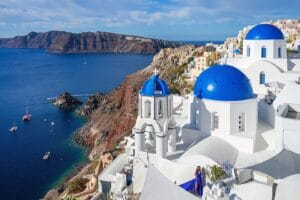
Athens
April-June and September-October. Pre-island base or destination in its own right.
Cappadocia
April-June and September-October for optimal balloon weather. Cave hotels at exceptional value.
The Dolomites
June-September for hiking, December-March for skiing. Pair with Venice or Innsbruck.
Faroe Islands
See our Faroe Islands travel guide for full planning.
Best places to visit in Europe at a glance
| Destination | Country/Region | Best for | Best time to go | Budget |
|---|---|---|---|---|
| Lisbon | Portugal (Western/Atlantic) | Tram-hill neighborhoods, seafood, coastal day trips | Spring and early autumn shoulder seasons | $$ |
| Porto | Portugal (Western/Atlantic) | Port wine, the Douro Valley, a lower-cost city break | Spring through autumn | $$ |
| Barcelona | Spain, Catalonia (Southern/Mediterranean) | Gaudi architecture, a beach-and-city mix | Late spring and early autumn | $$ |
| Paris | France (Western) | Museums, landmarks, a classic first-timer city break | Spring and early autumn | $$$ |
| Prague | Czech Republic (Central) | Old-town architecture on a modest budget, winter markets | Spring to autumn, plus the Christmas-market season | $ |
| Athens | Greece (Southern/Mediterranean) | Ancient sites and a gateway to the islands | Spring and autumn | $$ |
| Istanbul | Turkey (Southeast Europe/transcontinental) | Bazaars, mosques, an East-meets-West city | Spring and autumn | $ |
| Cappadocia | Turkey (transcontinental) | Hot-air balloons, cave hotels, surreal rock landscapes | Spring and autumn for the calmest balloon mornings | $$ |
| The Dolomites | Italy (Central/Alpine) | Mountain hiking in summer, skiing in winter | Summer for hiking, winter for snow sports | $$ |
| Madeira | Portugal, Atlantic island | Levada hiking trails and a mild year-round climate | Year-round, with the mildest months in spring and autumn | $$ |
| Slovenia | Slovenia (Central) | Alpine lakes, caves, and green outdoors | Late spring to early autumn | $$ |
| Mallorca | Spain, Balearic Islands (Mediterranean) | Coves, beaches, and road cycling | Late spring and early autumn | $$ |
| Faroe Islands | Denmark, North Atlantic (Nordic) | Dramatic sea cliffs and remote hiking | Summer for the longest daylight and mildest weather | $$$ |
| Albania | Albania (Balkans/Eastern) | Coastline, ruins, and strong value | Late spring to early autumn | $ |
| Kotor | Montenegro (Balkans/Eastern) | A fjord-like bay and a walled medieval old town | Late spring and early autumn | $ |
How to plan your Europe trip
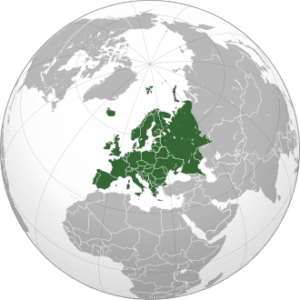
The simplest way to keep a Europe trip coherent is to group destinations by region rather than trying to string distant capitals together. Western Europe (Paris, Lisbon, Porto) pairs polished cities with easy coastlines. The Southern and Mediterranean belt (Barcelona, Mallorca, Athens, and much of Italy) is where you go for warm seas and long lunches, while the Central zone (Prague, Slovenia, the Dolomites) blends historic old towns with Alpine outdoors. Head north to the Nordic reaches (the Faroe Islands) for dramatic, remote scenery, or east into the Balkans (Albania, Kotor, and Istanbul on the edge of the continent) for the best value and fewer crowds. Clustering two or three neighbors in one region cuts transit time and lets each place breathe.
Timing is the other big lever. The Mediterranean is hot and crowded at the summer peak, with prices to match; late spring and early autumn are the milder shoulder seasons that most of the destinations above are built around, giving you warm-enough weather without the crush. Alpine and Nordic spots invert this rhythm, since the Dolomites and the Faroe Islands are at their most accessible in the summer months, and the Dolomites open a second window for winter skiing. If you want the postcard without the queues, aim for the shoulder edges of peak season rather than mid-summer.
Budgets vary widely across the continent. Nordic and Western Europe tend to be the priciest for lodging and dining, Mediterranean cities sit in a broad middle, and the Balkans and much of Eastern Europe typically stretch a budget furthest, which is why Albania, Kotor, and Istanbul carry the lowest markers above. For logistics, Europe's rail network is excellent across the west and center, so trains often beat short flights once you factor in airport time; a rail pass can pay off if you plan several legs, though point-to-point advance tickets are frequently cheaper for a fixed itinerary. Island and mountain destinations usually need a ferry, a regional flight, or a rental car to reach comfortably, so build those transfers into your route from the start.
Practical tips for traveling in Europe
- Understand the Schengen basics. Most of continental Europe shares open internal borders, and many visitors can enter visa-free for short stays, but that allowance is capped over a rolling period across the whole area combined, so count your days if you are chaining several countries. Check your own nationality's current rules before you book.
- Favor the shoulder seasons. Late spring and early autumn usually deliver the best balance of mild weather, thinner crowds, and softer prices, especially around the Mediterranean where summer runs hot and busy.
- Weigh rail against flights. Trains link most western and central cities efficiently; consider a rail pass if you have several journeys, but compare it against advance point-to-point fares for a fixed plan, and reserve seats on high-speed and scenic routes where required.
- Carry both cards and a little cash. Contactless cards work almost everywhere in larger cities, yet small cafes, rural areas, markets, and some transit machines still prefer cash, so keep a modest amount of local currency on hand.
- Budget for city and tourist taxes. Many destinations add a small per-night lodging tax that is often collected at check-in and may not appear in the headline room price, so leave a little room for it.
- Book marquee sights and mountain or island transfers early. Timed-entry attractions, balloon rides, ferries, and popular Alpine lodges can sell out in peak periods; reserving ahead protects both availability and, often, the price.
- Pack for microclimates. Coastal, Alpine, and northern destinations can shift quickly, so layers and a light waterproof go a long way even in the warmer months.